
What We Offer
-
![]()
Graston
Replenishing blood flow and replacing blood cells using gentle scraping technique
-
![]()
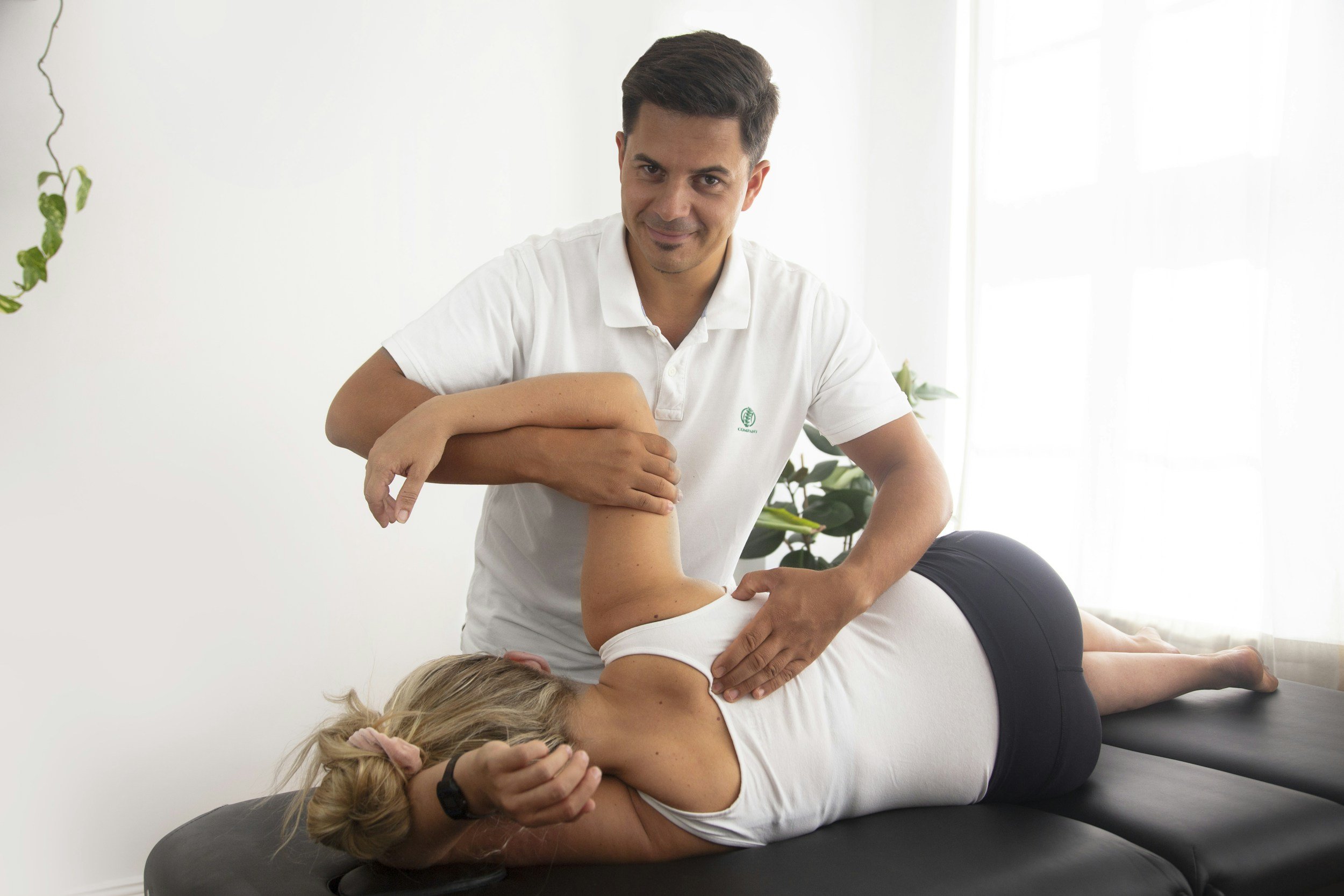
Muscle Energy
Using an understanding of muscular anatomy to allow the body to heal itself
-
![]()
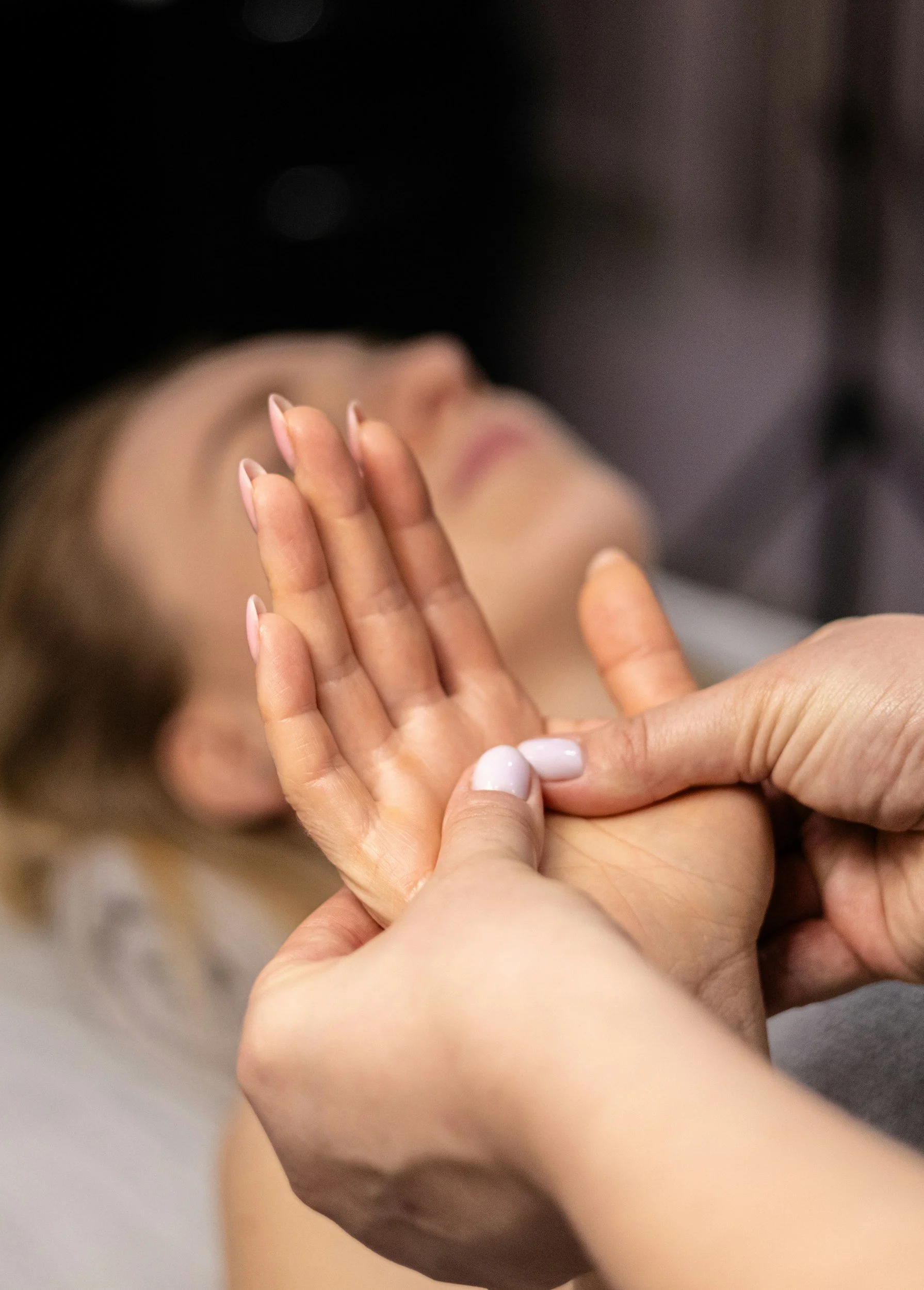
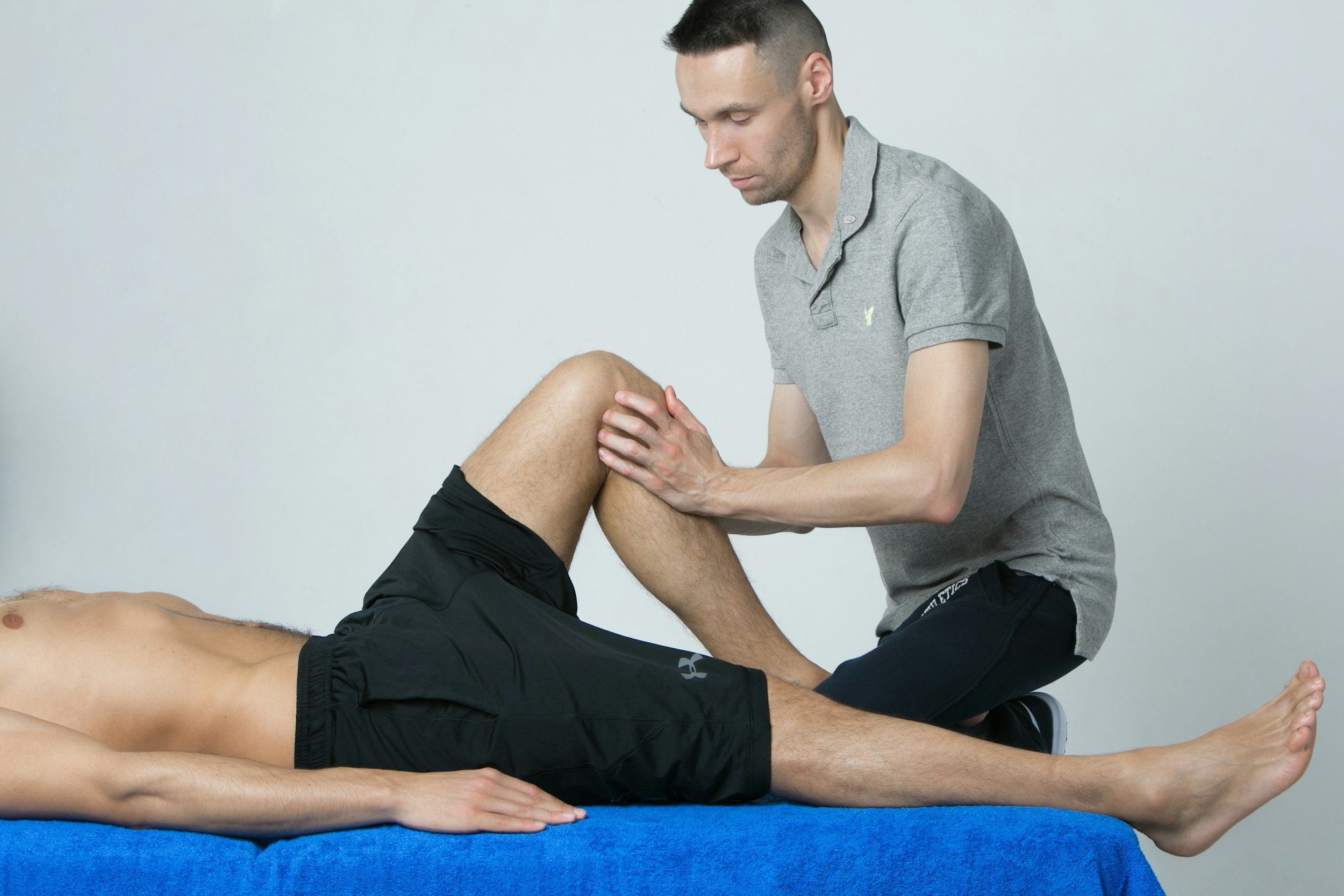
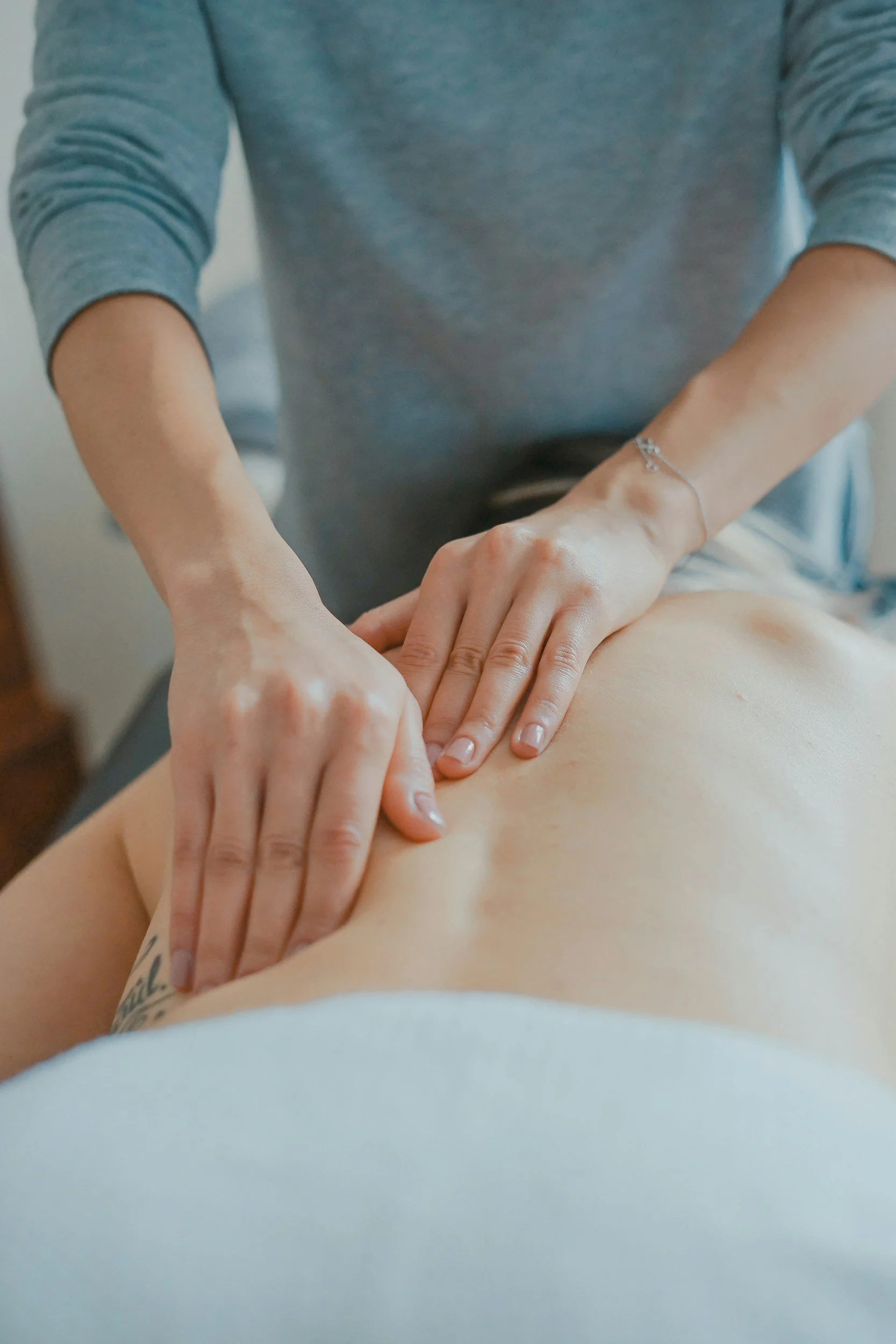
Massage + Stretches
Loosening stiff/tight areas using applied pressure and natural body movements
-
![]()
Kinesio Taping
Using elongated taping techniques to promote recovery
-
![]()
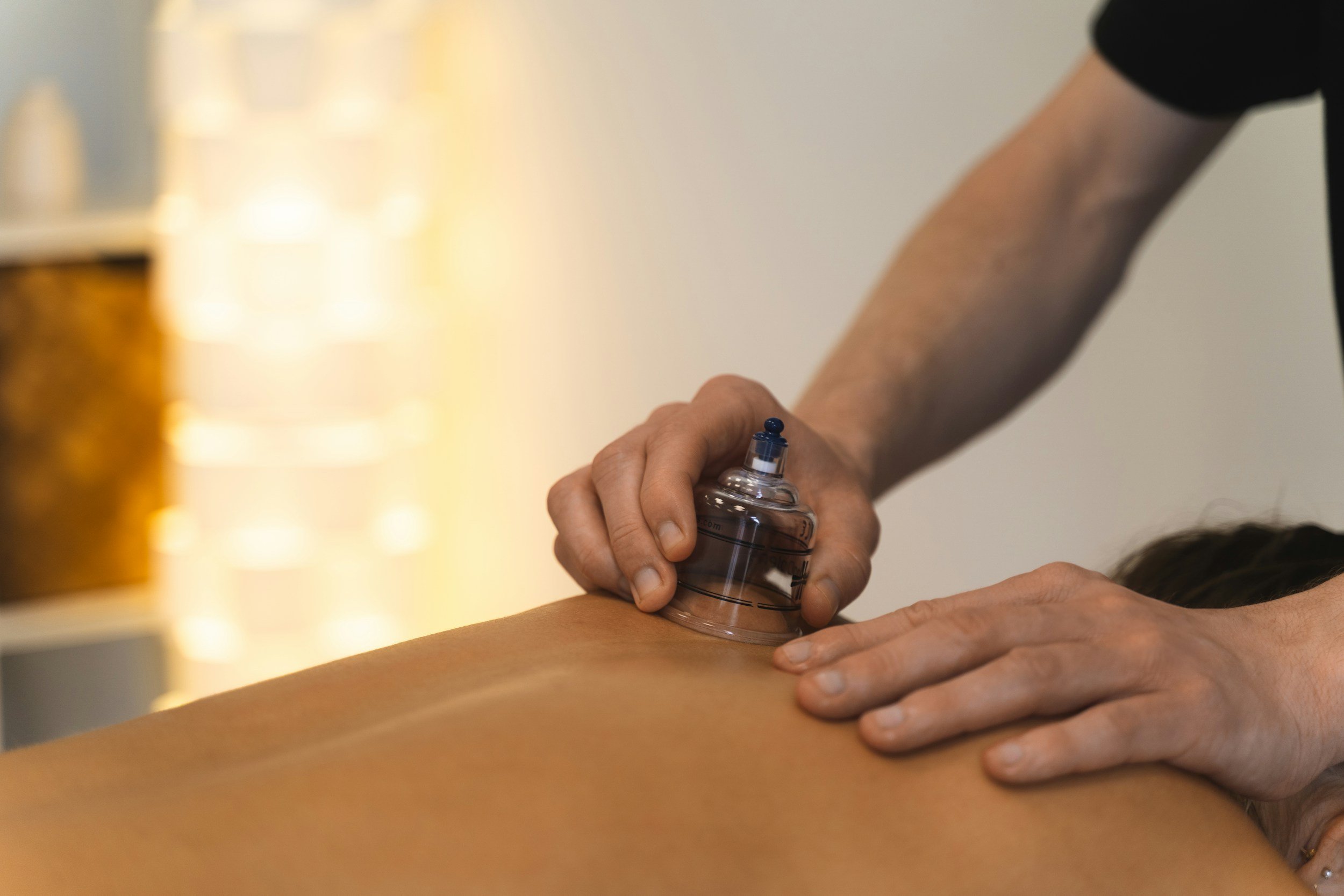
Cupping
Drawing blood to an area in question using suction cups, improving recovery
-
![]()
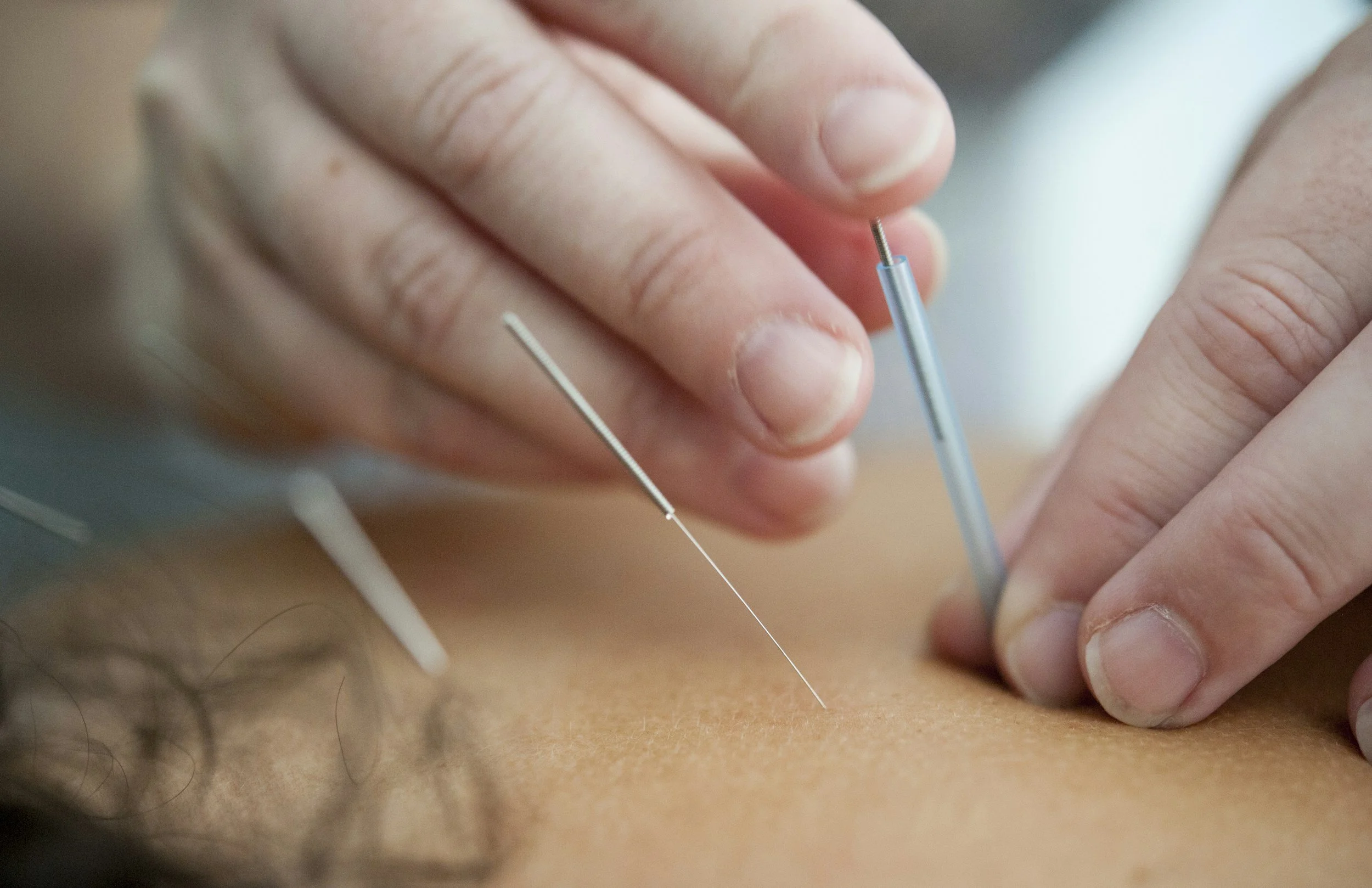
Dry Needling
Inserting thin needles into skin and muscles at trigger points to relieve pain and improve function
-
![]()
Traditional PT
Pain reduction, improved movement, and rehabilitating injuries using clinically tested techniques
-
![]()
Nontraditional PT
Emphasizes the whole-person experience and aims to accelerate recovery through innovative or less conventional techniques
-
![]()
Functional Therapy
Restoring the ability to perform everyday activities and movements essential for daily life
-
![]()
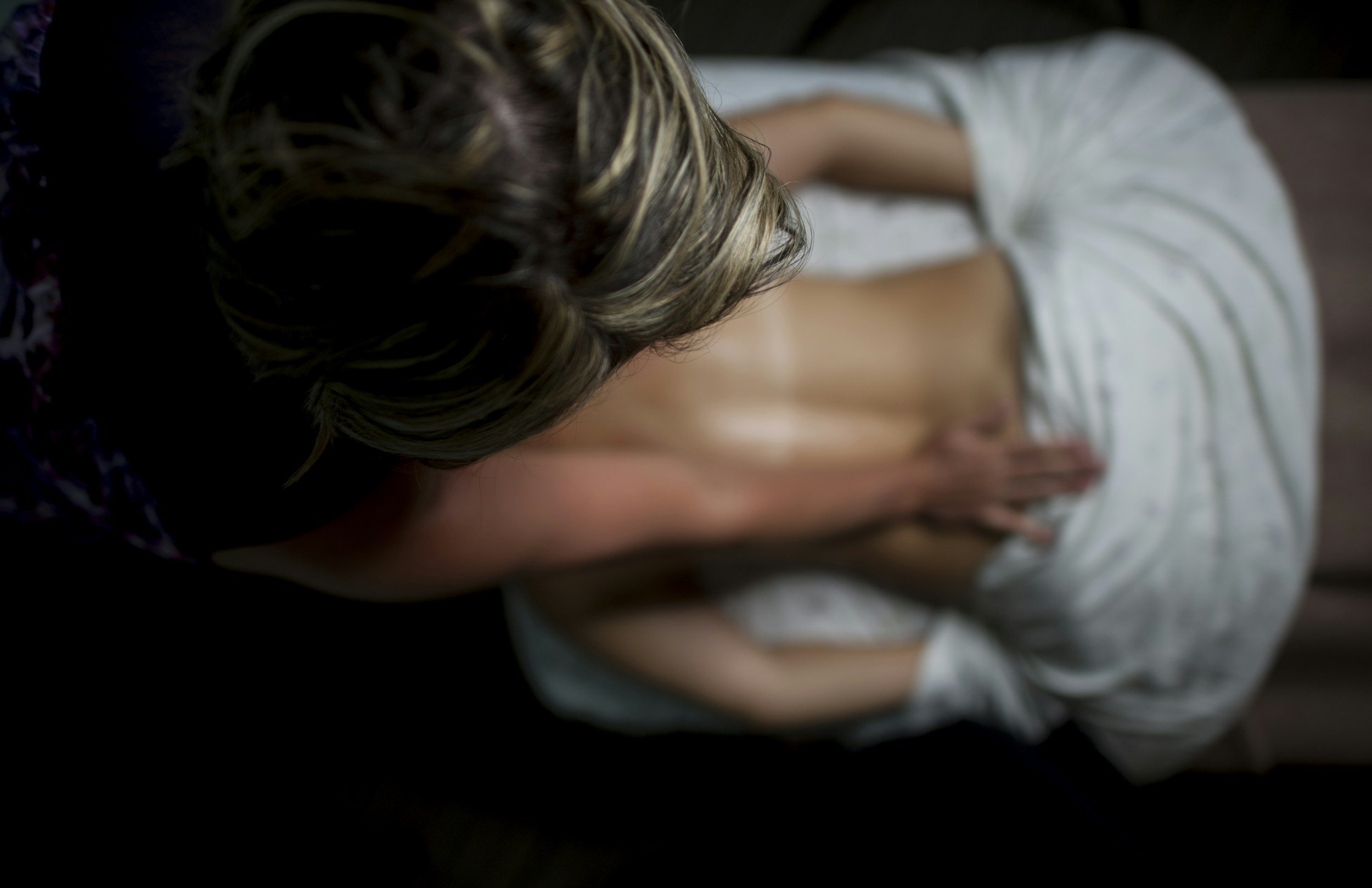
Massage
We use traditional massage techniques to increase blood flood, enhance mobility, and alleviate pain.



Frequently Asked Questions
-
Therapy is an evidence-based form of instrument assisted soft tissue mobilization (IASTM) that allows for precise detection and treatment of fascial restrictions as well as muscle and tendon dysfunction. Following the kinetic chain, GT Therapy Providers can target and specifically treat affected tissues often resolving issues once thought to be permanent utilizing specifically designed instruments. Graston Technique Providers utilizing GT Therapy are often the top clinicians in their field. Some find so much value in the technique that they go on to become instructors. Because the training is so specialized, only Graston Trained Clinicians are able to purchase our specialty instruments, giving them an extra leg up on competition.
-
Muscle Energy Technique (MET) is a manual therapy that uses the gentle muscle contractions of the patient to relax and lengthen muscles and normalize joint motion. Muscle Energy Technique is derived from the theory that if a joint is not used to its full range of motion, its function will lessen and it will be at risk of suffering strains and injuries. This form of muscular therapy makes use of a patient’s own muscle energy (the force); while the massage therapist presents a stationary surface (resistance) the patient will contract their muscle against in order to stretch the muscle and joint to its full potential. Unlike manipulative therapies, which presume joints are stuck out of place by some physiologic glue, Muscle Energy is based on evidence-based neuro-physiological principles that the joints are held out of place by muscles which have too much tone.
-
The kinesiology taping method is based on the science of maintaining support to the body while allowing blood and other bodily fluids to move freely through and around the injured muscle. Kinesiology tape stabilizes the injured area by lightly adhering to the skin and applying pressure to the tissues the tape is wrapped around. This tape allows the connective tissue surrounding the affected muscle or tendon to move along with the body. It gently allows the free flow of blood and lymphatic fluid to cleanse and heal the inflammation without the use of medications or surgery. This special tape helps to improve circulation, support muscles, allow the internal injury to heal, and help prevent further muscle injury while still allowing motion.
-
Suction from cupping draws fluid into the treated area. This suction force expands and breaks open tiny blood vessels (capillaries) under the skin. Your body treats the cupping area like an injury. It sends more blood to the area to stimulate the natural healing process. Some people theorize that cupping clears the pores and releases toxins.
-
Dry needling is a treatment technique where very thin needles are inserted into muscle tissue, specifically into myofascial trigger points, to relieve pain and improve movement. Unlike acupuncture, which is based on traditional Chinese medicine, dry needling uses Western anatomical principles to target muscular dysfunction. The needle insertion can cause a local twitch response, improve blood flow, and modulate pain signals, helping reduce muscle tightness and restore range of motion. It’s commonly used for conditions like back pain, neck pain, and tension headaches, often alongside exercise and manual therapy.
-
Traditional physical therapy focuses on restoring mobility and reducing pain through structured exercises, manual therapy, and modalities like heat or ultrasound. Non-traditional physical therapy takes a holistic approach, often incorporating alternative techniques such as yoga, meditation, dry needling, cupping, or Graston to address physical, mental, and emotional well-being. Functional physical therapy emphasizes real-world movement patterns, using dynamic, multi-joint exercises that mimic daily activities or sports to improve balance, coordination, and overall performance.